Dashboard
Who can use this feature
Anyone can access the dashboard
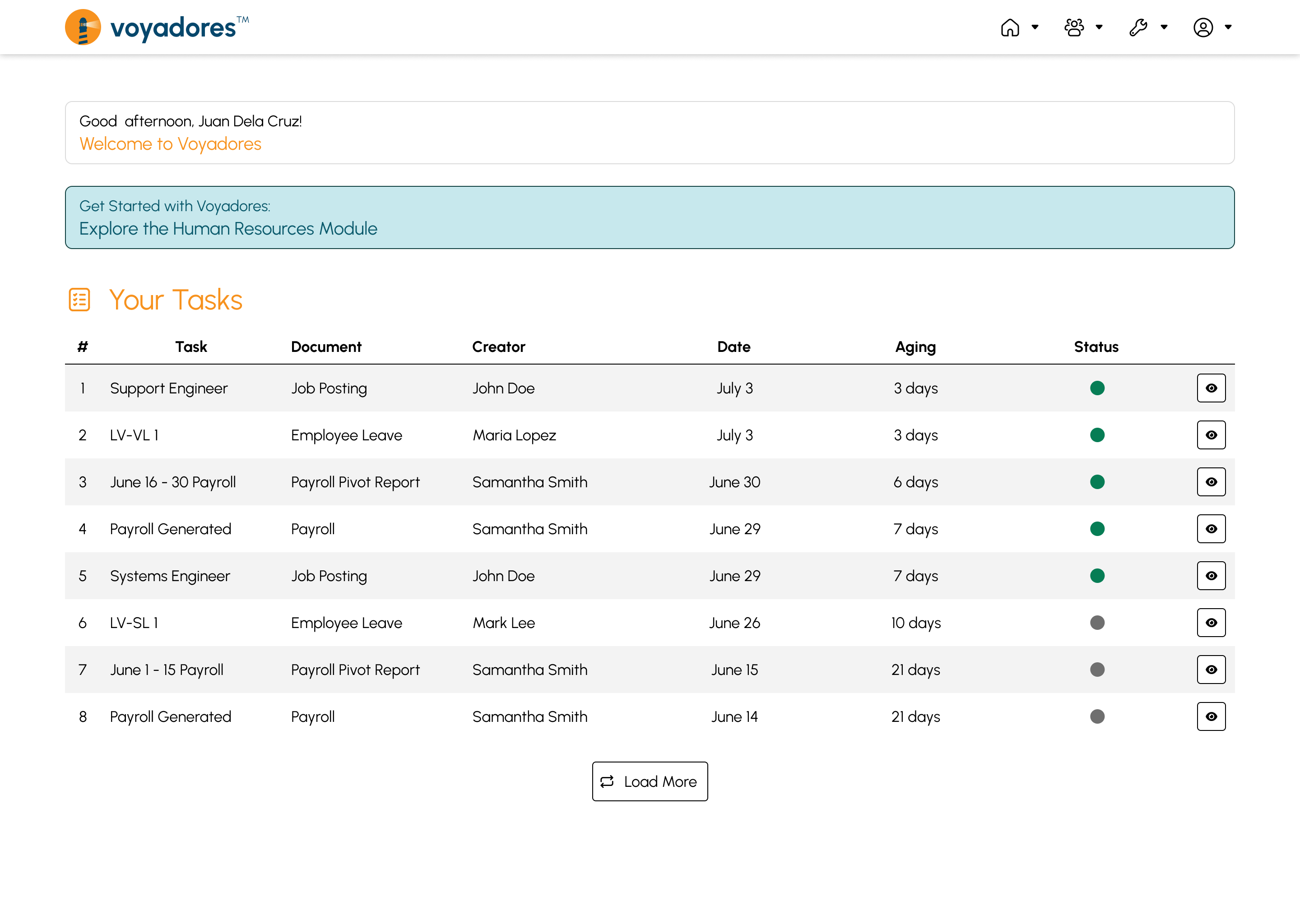
The Home page is the main landing page of the software application where the icons for Account, Manage, Human Resources, Home, and Notifications are displayed. These icons serve as quick links to the corresponding module or page. In addition to these icons, the Home page includes the "Your Tasks" dashboard, which displays a list of pending tasks.
Quick Links
The Quick Links feature provides convenient access to frequently used pages within the application. A page can be added to Quick Links by selecting the "Add to Quick Links" option on the page.
Once added, the selected page appears as a Quick Link on the Dashboard, allowing the page to be accessed directly without navigating through the application menu.
To add a page to Quick Links, follow the steps below:
- Open the page that needs to be added to Quick Links.
- Click the to add page to the Quick Links card.
-
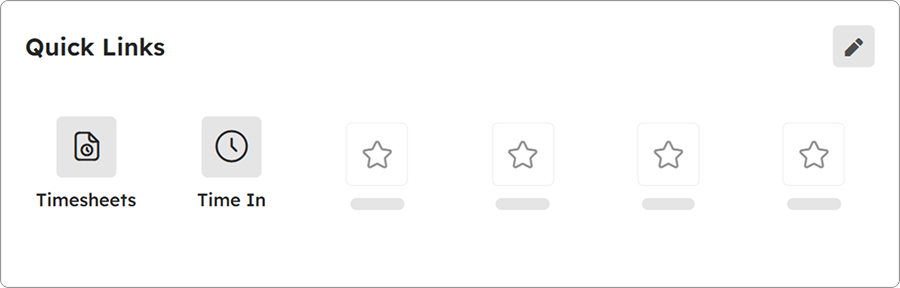
The selected page is added to the Quick Links section on the Dashboard.
-
To edit the items on the Quick Links section, simply click on the far right corner of the card.
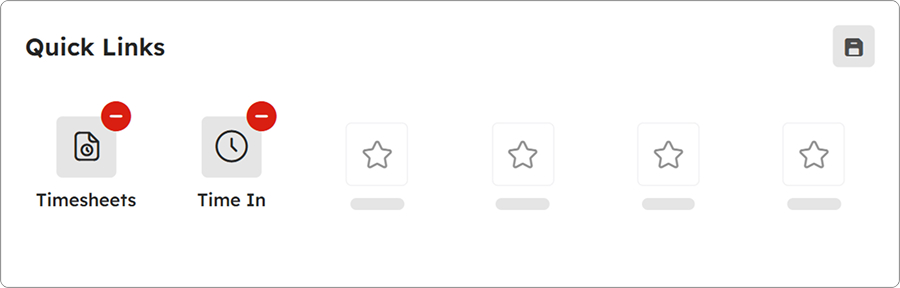
- Click to save the changes.
Set as Default Page
The "Set as Default Page" feature allows a page to be set as the landing page after login. Once a page is set as the default, the selected page is automatically displayed each time the account logs in.
To set a page as the default page, follow the steps below:
- Open the page that needs to be set as the default page.
- Click the to set current page as default page.
- The selected page is automatically displayed the next time the account logs in.
Note
The default page can be changed at any time by selecting on another page. The newly selected page becomes the landing page for subsequent logins.
Your Tasks
The Your Tasks card helps users manage pending tasks by providing a comprehensive view of all tasks that are yet to be completed.
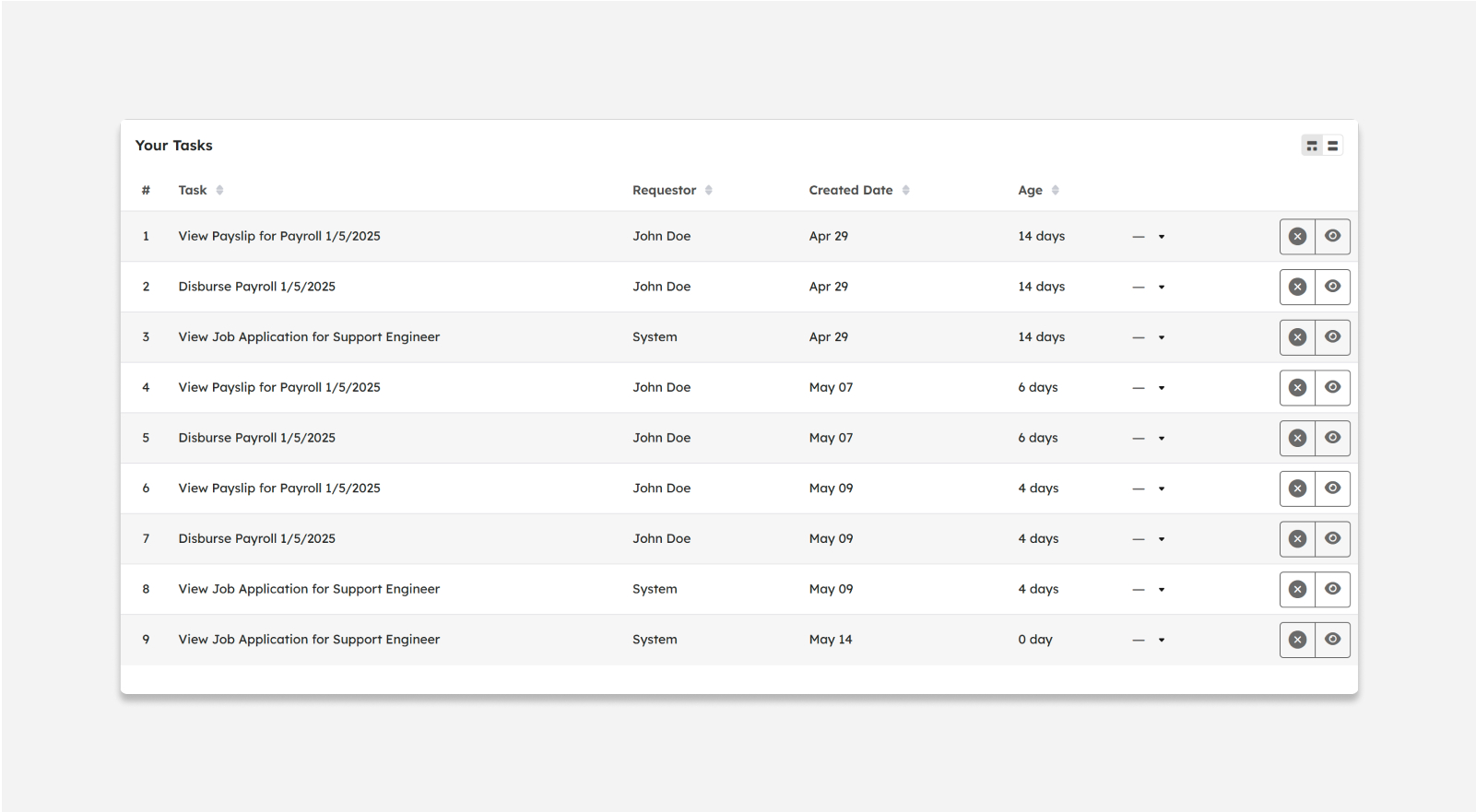
The dashboard displays key information such as the following:
- Task. The task name column displays the name of the task that needs to be completed.
- Requestor. The requestor information column displays the name of the user who created the task.
- Created Date. The created date column displays the date upon creation of task.
- Age. The age column displays the time duration between the current date and the date upon creation of the task. This helps users prioritize pending tasks by identifying the ones that have been pending for a longer duration.
- Task Priority. To set the priority of a specific task, users can click on the flag icon within the table. This will open a priority selection menu where users can choose the appropriate priority level for the task.
-
Action
- Dismiss Task. The selected task will no longer appear in the user's active tasks list once dismissed.
- View Task. Clicking this button will redirect the user to the page of the selected task.
Announcement
The Announcement section provides a comprehensive understanding of the feature designed to support internal communication within the organization. It is accessible in the Manage menu. Announcements serve as a tool to keep employees informed, engaged, and connected to important HR-related updates, events, and policies.
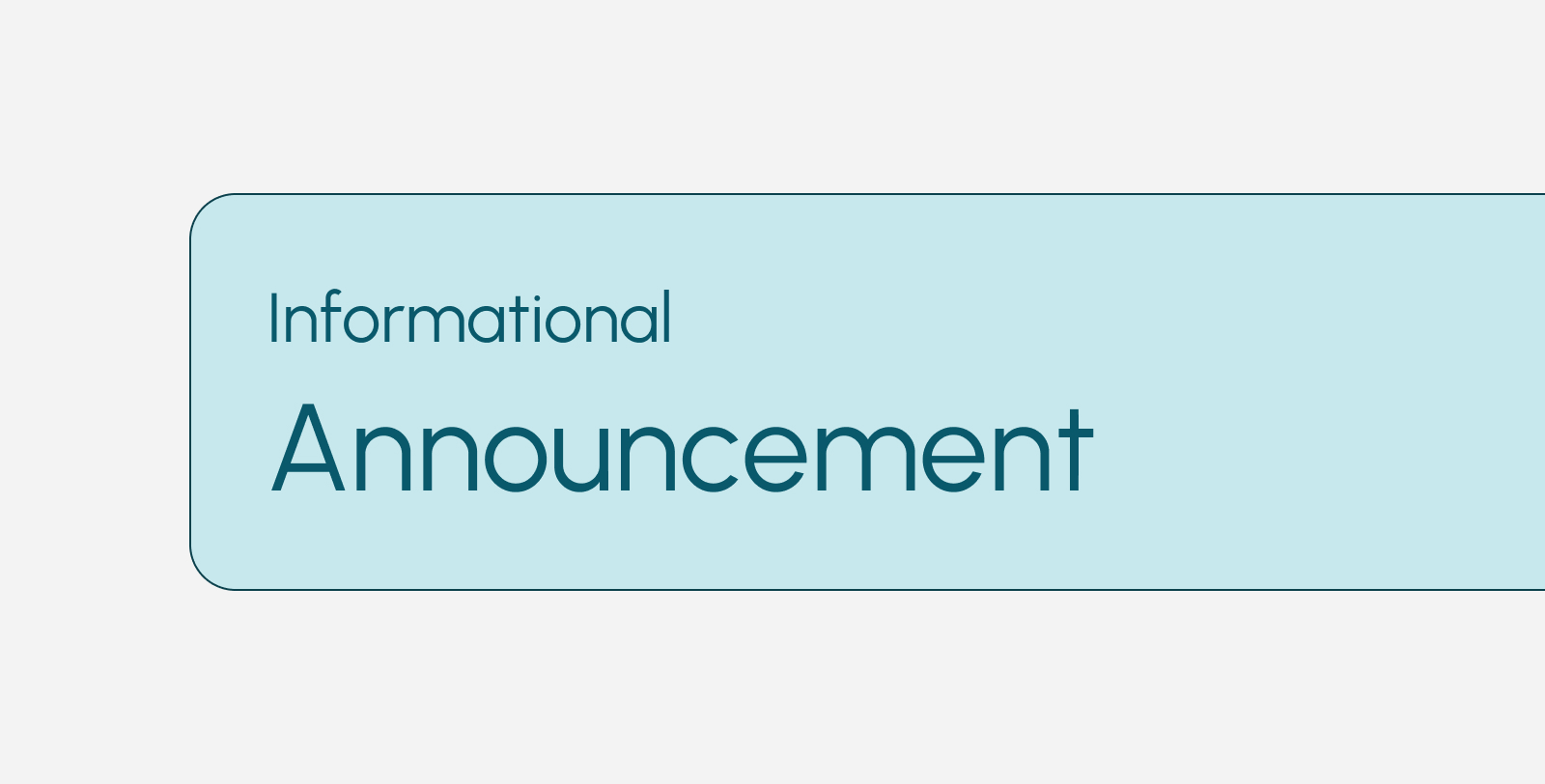
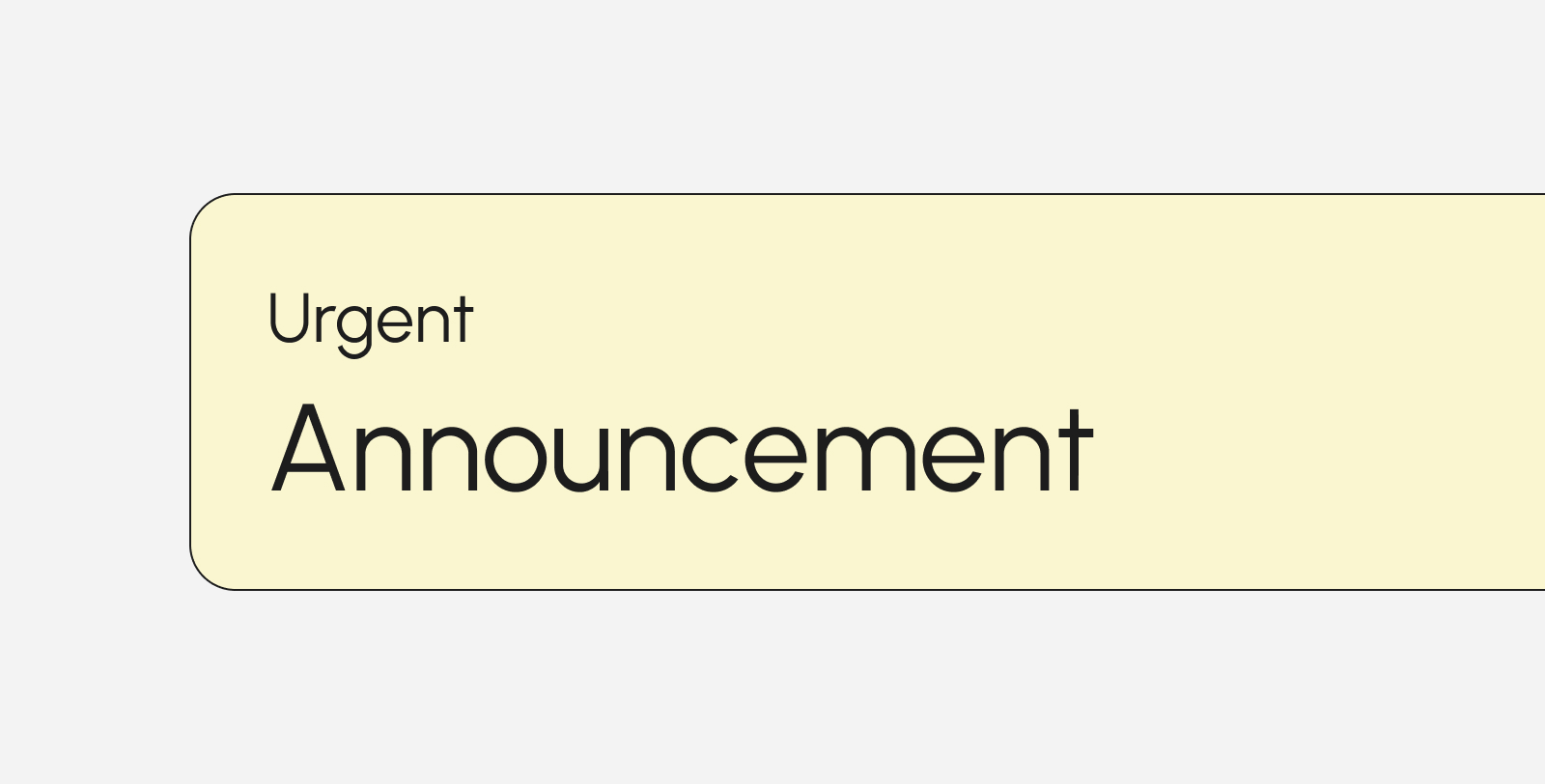
Announcements provide three distinct types, each represented by a different color. Please refer to the sample below for more information:
-
Informationals. These announcements provide important information, updates, or news to the intended audience. They may be used to share knowledge, inform about policy changes, communicate benefits, or convey organizational updates.
-
Urgents. Urgent announcements are intended for time-sensitive messages that require immediate attention or action. They may pertain to emergencies, security alerts, system outages, or compliance issues.
-
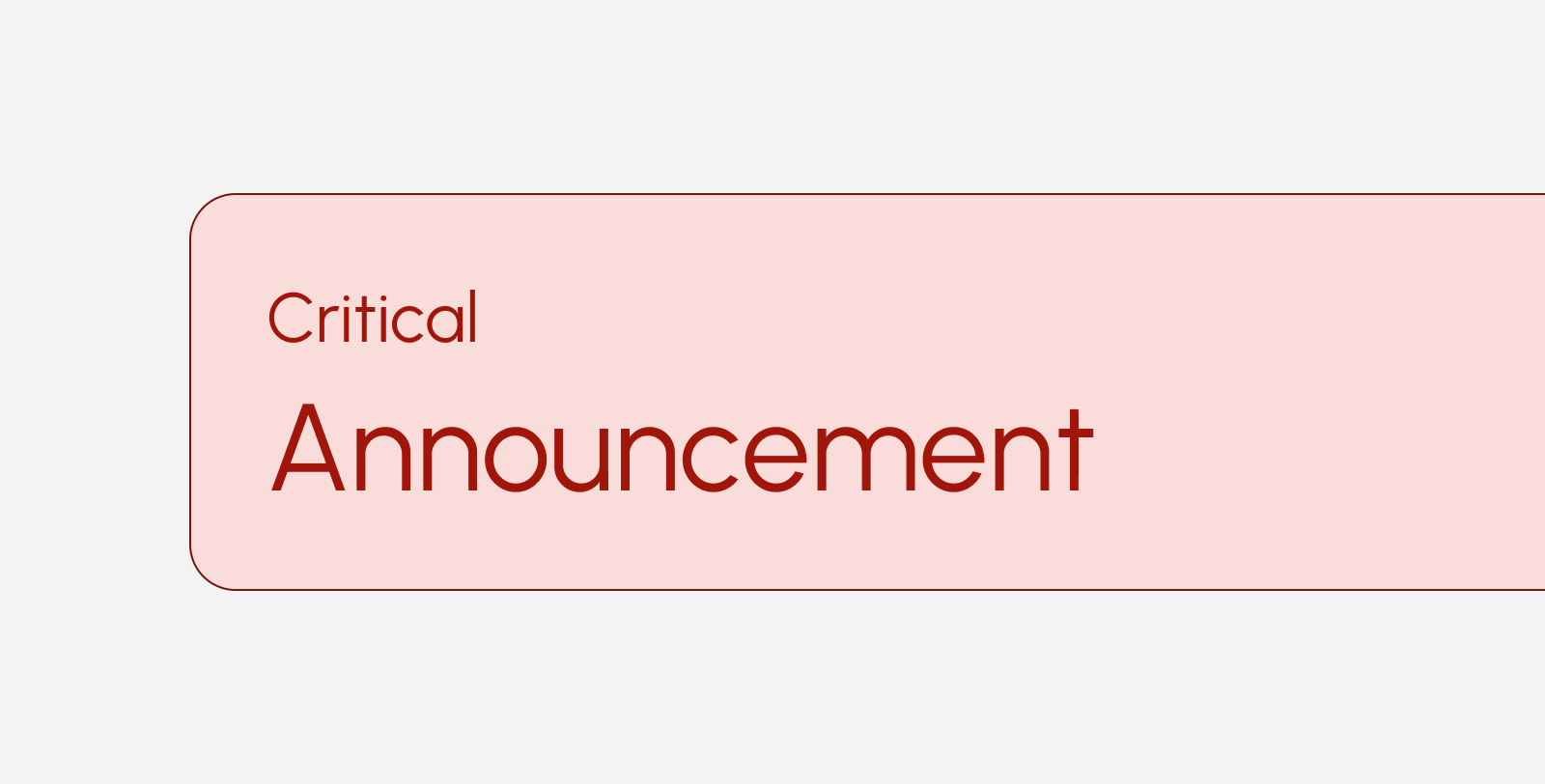
Criticals. Critical announcements signify the highest level of urgency and importance. They address severe situations or significant changes that demand immediate attention and action, such as major policy updates, safety alerts, or critical operational disruptions.